
Caramel Pumpkin Cold Brew
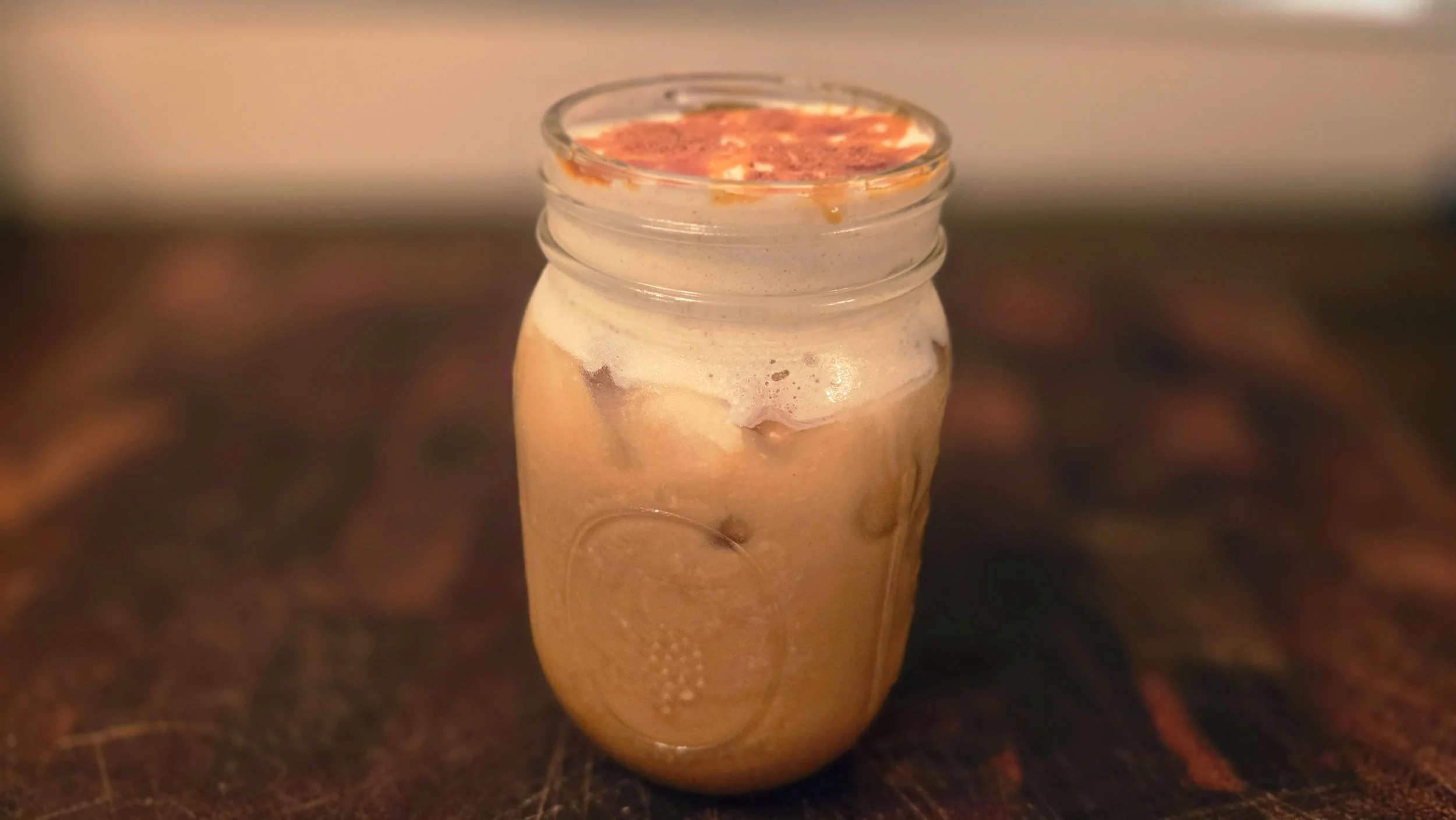
Bold cold brew. Real pumpkin. Creamy cold foam. Caramel without the sugar overload.
A coffeehouse-style pumpkin cold brew made with Kirby Kitchen Pumpkin Spice Coffee Creamer, Fairlife 2% milk, ChocZero caramel, and a creamy pumpkin-spice cold foam.
All the fall coffee flavor without needing a drive-thru.
Fall coffee doesn't have to come from a coffee shop.
Cold brew and pumpkin spice might seem like two different seasons in a glass, but they work surprisingly well together.
The bold coffee provides enough backbone to stand up to the pumpkin, warm spices, and caramel while Kirby Kitchen Pumpkin Spice Coffee Creamer does most of the heavy lifting.
Real pumpkin, brown sugar monk fruit, maple, vanilla, cream, and Pumpkin Pie Spice are already built into the creamer.
Then we take it one step further.
A creamy pumpkin cold foam sits over the cold brew, followed by ChocZero caramel and just enough Pumpkin Pie Spice to finish it.
Coffeehouse feel.
Kirby Kitchen ingredients.
Recipe at a Glance
Yield: 1 drink
Serving Size: 1 large cold brew
Glass Size: About 16 oz
Prep Time: 5 minutes
Cook Time: None
Ingredients
☕ Caramel Pumpkin Cold Brew
8 oz cold brew coffee
¼ cup Kirby Kitchen Pumpkin Spice Coffee Creamer
2 Tbsp Fairlife 2% Ultra-Filtered Milk
1 Tbsp ChocZero Caramel Sauce
Ice
Brown sugar monk fruit sweetener, optional, to taste
🎃 Pumpkin Cold Foam
2 Tbsp heavy cream
2 Tbsp Fairlife 2% Ultra-Filtered Milk
1 Tbsp Kirby Kitchen Pumpkin Spice Coffee Creamer
Small pinch Kirby Kitchen Pumpkin Pie Spice
Brown sugar monk fruit sweetener, optional
🍮 Caramel Finish
1–2 tsp ChocZero Caramel Sauce
Tiny pinch kosher salt, optional
Kirby Kitchen Pumpkin Pie Spice, for finishing
Instructions
1. Build the Cold Brew
Fill a 16-ounce glass with ice.
Add:
8 oz cold brew
¼ cup Pumpkin Spice Coffee Creamer
2 Tbsp Fairlife 2%
1 Tbsp ChocZero Caramel Sauce
Stir thoroughly until the caramel and creamer are evenly incorporated.
2. Taste Before Sweetening
Taste the cold brew.
The Pumpkin Spice Coffee Creamer and caramel already provide sweetness, so additional sweetener may not be necessary.
For a sweeter coffeehouse-style drink, add brown sugar monk fruit sweetener a little at a time until it reaches your preferred sweetness.
Kirby Rule: Build the flavor first. Adjust the sweetness after you know what the finished coffee actually needs.
3. Make the Pumpkin Cold Foam
Combine:
2 Tbsp heavy cream
2 Tbsp Fairlife 2%
1 Tbsp Pumpkin Spice Coffee Creamer
Small pinch Pumpkin Pie Spice
Add a little brown sugar monk fruit if you prefer a sweeter cold foam.
Froth until the mixture becomes thick, creamy, and aerated but still pourable.
Don't take it all the way to whipped cream.
No Frother?
Add the cold-foam ingredients to a small jar with a tight-fitting lid.
Shake vigorously until noticeably thickened and foamy.
The texture won't be quite the same as a dedicated frother, but it'll still get the job done.
4. Add the Cold Foam
Slowly pour or spoon the pumpkin cold foam over the cold brew.
Let it sit on top rather than immediately stirring it into the coffee.
Part of the experience is getting a little cold foam with the coffee underneath as you drink.
5. Add the Caramel Finish
Drizzle 1–2 teaspoons ChocZero Caramel Sauce lightly over the cold foam.
For a salted-caramel finish, add a tiny pinch of kosher salt to the caramel before drizzling.
Finish with a light dusting of Kirby Kitchen Pumpkin Pie Spice.
Serve immediately.
Performance Notes
🎃 The Creamer Does the Heavy Lifting
Kirby Kitchen Pumpkin Spice Coffee Creamer already contains the pumpkin, dairy, brown sugar monk fruit, maple syrup, vanilla, and warm spices we need.
That means you don't have to pull out pumpkin purée and half the spice cabinet every time you want a fall coffee.
Make the creamer once.
The rest takes about five minutes.
☕ Cold Brew Needs to Stay in the Picture
Pumpkin, caramel, cream, and warm spices can easily overwhelm coffee.
That's why we're starting with 8 ounces of cold brew rather than building the entire drink around milk and creamer.
You should still know you're drinking coffee.
🎃 Put Pumpkin in Both Layers
Pumpkin Spice Coffee Creamer goes into both the cold brew and the cold foam.
That carries the pumpkin-spice flavor through the entire drink instead of concentrating everything on top.
🥛 Fairlife Keeps the Foam Balanced
Heavy cream provides the richness necessary for a proper cold foam.
Fairlife 2% lightens it and contributes additional protein while keeping the foam pourable.
We're not trying to make whipped cream.
🍮 Caramel Goes a Long Way
ChocZero Caramel Sauce gives us the caramel flavor without requiring a large amount of conventional caramel syrup.
Some goes directly into the coffee, while a smaller drizzle over the foam makes sure you get caramel in the first few sips.
🧂 Try the Salt
A tiny amount of kosher salt can deepen the caramel flavor and balance the sweetness.
Tiny is the important word.
You shouldn't taste salt.
Make It Your Own
Sweeter: Add brown sugar monk fruit after assembling the cold brew.
Stronger: Increase the cold brew or use cold brew concentrate diluted to your preferred strength.
More Pumpkin: Add another tablespoon of Pumpkin Spice Coffee Creamer.
More Caramel: Add additional ChocZero caramel to the finished foam.
More Spice: Increase the Pumpkin Pie Spice in the cold foam slightly.
Lighter: Replace 1 tablespoon of heavy cream in the foam with additional Fairlife 2%.
Extra Rich: Increase the heavy cream in the cold foam.
Salted Caramel: Add the tiny pinch of kosher salt to the finishing caramel.
Quick Build: Hot Caramel Pumpkin Coffee
No cold brew?
The same flavors work with regular brewed coffee.
Add ¼ cup Pumpkin Spice Coffee Creamer and 1 tablespoon ChocZero Caramel Sauce to approximately 8 oz hot brewed coffee.
Taste and add brown sugar monk fruit if desired.
Top with freshly frothed Fairlife milk, a light caramel drizzle, and Pumpkin Pie Spice.
Fuel Profile — Estimated Per Serving
Calories: ~175 kcal | Protein: ~6 g | Carbohydrates: ~14 g | Net Carbs: ~10 g | Fiber: ~4 g | Fat: ~12 g
Based on one drink made with cold brew, Kirby Kitchen Pumpkin Spice Coffee Creamer, Fairlife 2% Ultra-Filtered Milk, heavy cream, and ChocZero Caramel Sauce. Nutrition is estimated and will vary depending on the amount of caramel, sweetener, cold foam, and specific ingredient brands used.
Used Throughout Kirby Kitchen
This recipe uses:
🎃 Kirby Kitchen Pumpkin Spice Coffee Creamer
Real pumpkin, brown sugar monk fruit, maple, vanilla, cream, and warm fall spices.
🍂 Kirby Kitchen Pumpkin Pie Spice
The house spice blend that provides the warm pumpkin-spice profile throughout the drink.
On the website, these can be linked directly to their Performance Pantry recipes.
Kitchen Wisdom
“Make the creamer once. Skip the coffee-shop line all week.”
Dark Chocolate Banana Protein Smoothie
Deep chocolate flavor. Frozen banana creaminess. Serious protein.
A thick and creamy protein smoothie made with TEMPL Chocolate Protein, frozen banana, Fairlife 2% milk, dark cocoa, and warm cinnamon. Simple enough for a quick breakfast and satisfying enough to feel more like a chocolate shake than a protein drink.
Chocolate and banana just work.
Some combinations don't need much convincing.
Chocolate and banana have always belonged together, and this smoothie keeps things simple enough to let both flavors shine.
TEMPL Chocolate Protein provides the protein foundation and chocolate flavor, while unsweetened cocoa takes the chocolate another step darker. A ripe frozen banana adds natural sweetness and gives the smoothie a thick, creamy texture without needing a blender full of ice.
Fairlife 2% milk adds even more protein and keeps everything smooth, while a little cinnamon adds warmth in the background.
The result is a high-protein smoothie that's quick, filling, and tastes like something you'd actually look forward to drinking.
Recipe at a Glance
Yield: 1 smoothie
Serving Size: 1 smoothie
Prep Time: 5 minutes
Cook Time: None
Ingredients
2 scoops TEMPL Chocolate Protein
1 medium ripe banana (about 118 g), frozen
1 cup Fairlife 2% Ultra-Filtered Milk
2 Tbsp unsweetened cocoa powder
½ tsp ground cinnamon
½ cup ice, optional for additional thickness
Instructions
1. Start With the Milk
Pour the Fairlife 2% milk into the blender first.
Adding the liquid before the other ingredients helps everything blend more easily.
2. Add the Rest
Add:
TEMPL Chocolate Protein
Frozen banana
Unsweetened cocoa powder
Ground cinnamon
If you want an especially thick or colder smoothie, add up to ½ cup ice.
3. Blend
Blend on high for approximately 30–45 seconds, or until completely smooth and creamy.
If the smoothie is thicker than you'd like, add a small splash of Fairlife milk and blend again.
4. Serve
Pour into a glass and enjoy immediately.
Performance Notes
🍌 Freeze the Banana
Frozen banana is one of the keys to the texture of this smoothie.
It creates a thick, creamy consistency without requiring a large amount of ice, which can dilute the chocolate and banana flavors.
For easy smoothie prep, peel ripe bananas, cut them into chunks, and freeze them in individual portions.
🍫 Double Down on Chocolate
TEMPL Chocolate Protein creates the chocolate foundation, while unsweetened cocoa provides a deeper, darker chocolate flavor.
The extra cocoa makes this taste considerably more like a chocolate smoothie and less like a standard protein shake.
🥛 Why Fairlife 2%?
Fairlife 2% Ultra-Filtered Milk provides a creamy dairy base while contributing additional protein.
The 2% milk also brings enough richness to complement the chocolate without making the smoothie unnecessarily heavy.
🌿 Don't Skip the Cinnamon
Half a teaspoon of cinnamon adds warmth behind the chocolate and banana.
It shouldn't overpower either flavor. Instead, it helps bring the two together.
🍯 Let the Banana Handle the Sweetness
There's no added sweetener in the base recipe.
A ripe banana provides plenty of natural sweetness, especially when allowed to develop brown spots before freezing.
The riper the banana going into the freezer, the sweeter the finished smoothie will be.
Make It Your Own
Extra Thick: Use a fully frozen banana and add the optional ice.
Thinner: Skip the ice and add a splash of additional Fairlife milk.
More Chocolate: Add another tablespoon of unsweetened cocoa powder.
Sweeter: Start with a very ripe banana before freezing.
Mocha: Add a small amount of cold brew coffee for a chocolate-coffee variation.
Less Chocolate: Reduce the cocoa to 1 tablespoon while keeping the TEMPL Chocolate Protein.
Fuel Profile — Estimated Per Serving
Calories: ~475 kcal | Protein: ~69 g | Carbohydrates: ~42 g | Net Carbs: ~34 g | Fiber: ~8 g | Fat: ~8 g
Based on one smoothie made with 2 scoops TEMPL Chocolate Protein, one medium banana, 1 cup Fairlife 2% Ultra-Filtered Milk, unsweetened cocoa powder, and cinnamon. Ice does not affect the nutrition. Nutrition is estimated and will vary depending on the banana size and specific ingredient brands used.
Prep Ahead
Peel ripe bananas and cut them into chunks before freezing.
Portion approximately 118 g per freezer bag or container.
When you're ready for a smoothie, grab one portion from the freezer and add it directly to the blender.
No thawing necessary.
Performance Tip
“A good protein shake shouldn't taste like a compromise. Build it like something you'd actually want to drink.”
Firehouse Shakshuka
Four eggs. Bold tomato flavor. Serious protein.
A hearty, single-serving shakshuka built around four whole eggs, a rich tomato and pepper sauce, creamy feta, warm spices, and Firehouse Seasoning. Added egg whites boost the protein without taking away the rich yolks and bold flavor that make shakshuka worth eating.
A breakfast built to carry its weight.
Shakshuka doesn't need much help to become a great breakfast. Tomatoes, peppers, onions, garlic, warm spices, and eggs already give it plenty of flavor and substance.
For the Kirby Kitchen version, we wanted to make it a complete high-protein breakfast without turning it into a giant bowl of egg whites.
So the four whole eggs stay.
A little extra egg white works its way into the tomato base to push the protein higher, while feta brings a salty, creamy finish. Firehouse Seasoning joins cumin, coriander, and smoked paprika to give the sauce another layer of savory flavor and gentle heat.
The result is one skillet, one serving, and enough food to start the day properly.
🧪 In Testing — Kirby Kitchen Test Kitchen
This recipe is currently being tested.
The recipe below is the current working version from the Kirby Kitchen Test Kitchen. The ingredients, portions, and cooking method have been developed, but the recipe hasn't completed our final cook-and-taste test yet.
We're testing the balance of tomato and spices, heat level, egg-to-sauce ratio, cooking time, and how well the added egg whites work within the tomato base without taking away from the traditional shakshuka experience.
We're also looking closely at whether four whole eggs plus 150 g of egg whites creates the right balance between a satisfying breakfast and our target of approximately 10 calories for every gram of protein.
You're welcome to try it along with us. If you do, leave a comment and let us know how it turned out, what you'd change, and how you made it your own.
Once we're happy with the final result, the In Testing label will come off and this page will be updated with the finished recipe.
Recipe at a Glance
Yield: 1 individual skillet
Serving Size: 1 skillet
Prep Time: 10 minutes
Cook Time: 15–20 minutes
Best Pan: 8–10 inch cast-iron skillet
Ingredients
Tomato & Pepper Base
⅓ medium yellow onion, diced
⅓ red bell pepper, diced
Jalapeño, finely diced, optional and to taste
1–2 garlic cloves, minced
260 g crushed tomatoes
1 tsp tomato paste
⅓ tsp avocado oil
Seasonings
⅓ tsp Firehouse Seasoning
⅔ tsp ground cumin
⅓ tsp smoked paprika
⅛ tsp ground coriander
Pinch crushed red pepper flakes, or to taste
Eggs & Finish
4 large eggs
150 g liquid egg whites
20 g reduced-fat feta, crumbled
Fresh parsley, chopped, for finishing
Instructions
1. Build the Vegetable Base
Heat an 8–10 inch cast-iron skillet over medium heat.
Add the avocado oil, onion, bell pepper, and optional jalapeño.
Cook for 4–5 minutes, stirring occasionally, until the vegetables begin to soften.
Add the garlic and cook for another 30 seconds, just until fragrant.
2. Cook the Tomato Paste & Spices
Add the tomato paste directly to the skillet.
Cook for 1–2 minutes, stirring frequently, until it darkens slightly.
Add the Firehouse Seasoning, cumin, smoked paprika, coriander, and red pepper flakes.
Stir for approximately 30 seconds.
Kirby Rule: Don't immediately drown the tomato paste and spices with liquid. Giving them a little time against the hot skillet develops deeper flavor before the tomatoes go in.
3. Build the Shakshuka Sauce
Pour in the crushed tomatoes and stir thoroughly.
Reduce the heat to medium-low and allow the sauce to simmer uncovered for approximately 5–8 minutes.
The sauce should noticeably thicken.
Drag a spoon across the bottom of the skillet. If the path remains visible briefly before the sauce flows back together, you're ready for the eggs.
4. Add the Egg Whites
Pour the 150 g liquid egg whites into the tomato mixture.
Gently stir them through the sauce and cook for approximately 1–2 minutes, just until they begin to set.
We're incorporating the whites into the tomato base rather than trying to make six different-looking eggs in one small skillet.
5. Add the Whole Eggs
Use the back of a spoon to create 4 wells in the tomato mixture.
Crack one whole egg into each well.
Reduce the heat to low and cover the skillet.
Cook for approximately 4–7 minutes, depending on how you like your yolks.
The whites surrounding the yolks should be completely set while the yolks can remain soft.
Kirby Rule: Pull the skillet before the yolks look completely done. Cast iron holds a lot of heat, so the eggs will continue cooking even after the burner is turned off.
6. Finish
Remove the skillet from the heat.
Crumble the feta over the top and finish with fresh parsley.
For a little extra heat, add another pinch of red pepper flakes.
Serve directly from the skillet.
Just remember: cast iron stays hot.
Performance Notes
🍳 Keep the Whole Eggs
We could hit a high protein target much more easily by replacing most of the eggs with egg whites.
But that's not what we're doing.
This recipe keeps four whole eggs, including the yolks that provide richness, flavor, and the experience we actually want from shakshuka.
The additional egg whites are there to supplement the meal, not replace the eggs.
💪 Built Around the 10:1 Target
This recipe was developed around a simple performance target: approximately 10 calories for every gram of protein.
At roughly 465 calories and 46 grams of protein, the complete skillet lands very close to that target while still being built from recognizable, satisfying ingredients.
🍅 Let the Tomatoes Reduce
Watery shakshuka isn't much fun.
Reducing the tomato mixture before adding the eggs concentrates the flavor and creates a sauce thick enough to support them.
🔥 Firehouse in the Morning
Firehouse Seasoning adds garlic, pepper, paprika, mild jalapeño heat, and a touch of sweetness to the tomato base.
It works alongside the traditional cumin and coriander rather than replacing them.
On the website, make Firehouse Seasoning a direct link to its Performance Pantry recipe.
🧀 Feta at the Finish
Add the feta after cooking rather than stirring it into the sauce.
You'll get little pockets of salty, creamy cheese against the tomato and runny yolks instead of losing it throughout the skillet.
Make It Your Own
More Heat: Add extra jalapeño or crushed red pepper flakes.
Milder: Skip the jalapeño and red pepper flakes.
More Smoke: Add a little extra smoked paprika.
Full-Fat Feta: Absolutely. The nutrition will change slightly, but it'll work beautifully.
Fresh Herbs: Parsley keeps things simple, but fresh cilantro can also work if you enjoy it.
With Bread: Toasted sourdough or warm pita is excellent for scooping up the tomato sauce and egg yolks. Just remember that bread is not included in the Fuel Profile below.
🔥 Smoker Option
For another layer of flavor, build the tomato base in a cast-iron skillet as directed.
Transfer the uncovered skillet to a 275–300°F smoker for approximately 20–30 minutes before adding the eggs.
Pecan or apple wood would be my first choices.
Once the sauce has picked up enough smoke, incorporate the egg whites, create the wells, add the four whole eggs, and return the skillet to the smoker until the egg whites are set and the yolks reach your preferred doneness.
Kirby Kitchen Tip: Tomatoes pick up smoke readily. We're adding another layer of flavor, not trying to turn the sauce into an ashtray.
Fuel Profile — Estimated Per Serving
Calories: 465 kcal | Protein: 46 g | Carbohydrates: 24 g | Net Carbs: 17 g | Fiber: 7 g | Fat: 22 g
Based on one complete skillet with 4 whole eggs, 150 g liquid egg whites, and reduced-fat feta. Nutrition is estimated and will vary depending on the eggs, tomatoes, feta, Firehouse Seasoning, and other ingredient brands used.
Performance Tip
“Don't remove the food you enjoy just to chase a number. Build around it.”
Cold Brew Mocha Protein Shake
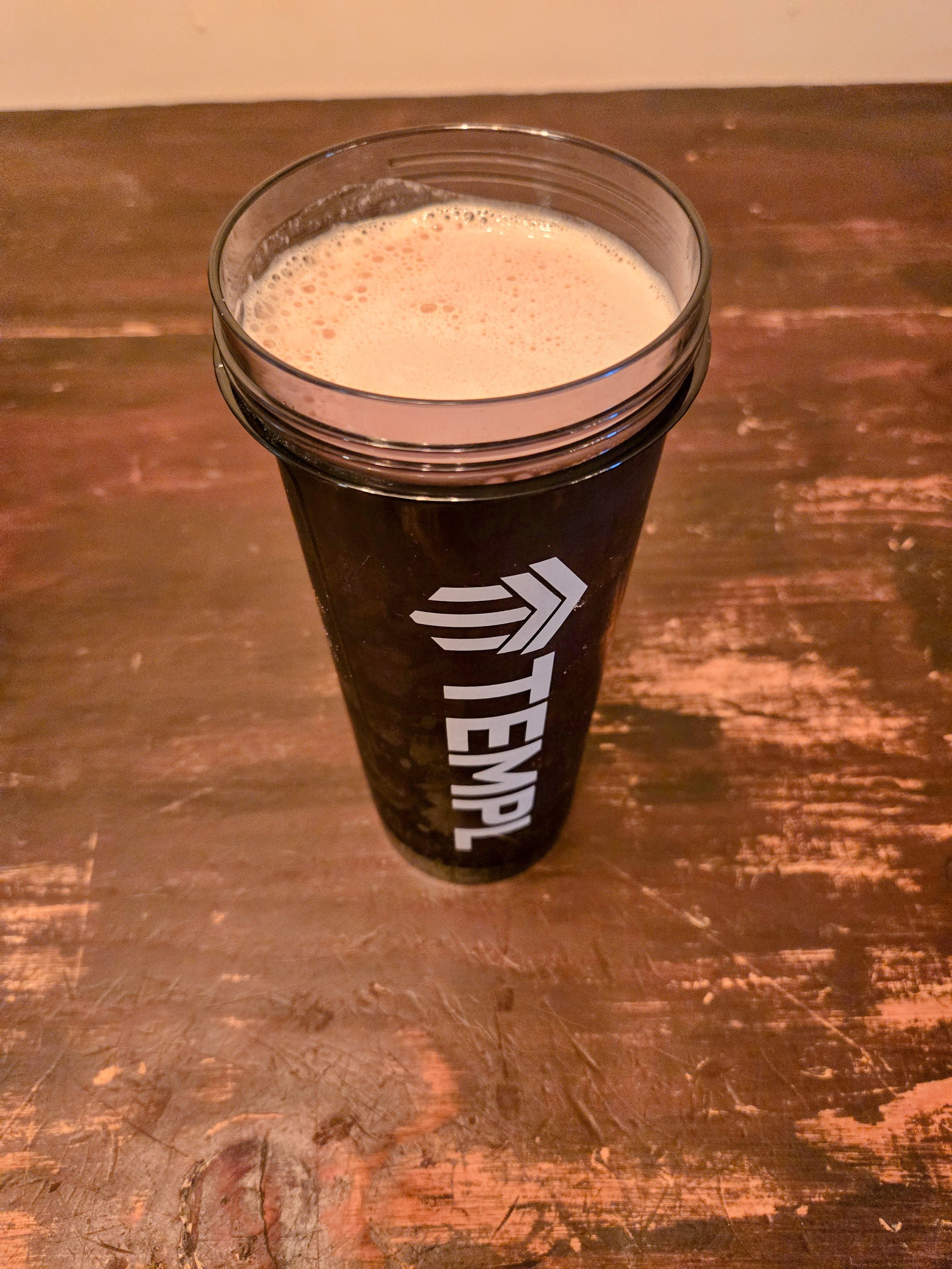
Coffee shop flavor. Serious protein.
A creamy cold brew protein shake made with chocolate protein, Fairlife milk, plain yogurt, cocoa, cinnamon, and real vanilla. Rich mocha flavor with plenty of protein for breakfast, post-workout fuel, or an afternoon pick-me-up.
Coffee and chocolate were meant to be together.
This shake started with the idea of making a French vanilla coffee protein shake. But instead of forcing vanilla protein into the recipe, we decided to build around an ingredient we actually enjoy: chocolate protein.
TEMPL Chocolate Protein pairs naturally with smooth cold brew coffee, while Fairlife milk and plain yogurt create a thick, creamy base and add even more protein.
Unsweetened cocoa deepens the chocolate flavor, cinnamon adds warmth, and vanilla rounds everything out without turning it into a vanilla shake.
The result is a Cold Brew Mocha Protein Shake that delivers coffee-shop-inspired flavor with a nutrition profile built for performance.
Recipe at a Glance
Yield: 1 shake
Serving Size: 1 shake
Prep Time: 5 minutes
Cook Time: None
Ingredients
1 cup Fairlife Fat Free Ultra-Filtered Milk
½ cup cold brew coffee
½ cup homemade plain yogurt made with Fairlife 2% milk
or ½ cup plain nonfat Greek yogurt
1 scoop (31.3 g) TEMPL Chocolate Protein (Kitchen Favorites)
1 tsp unsweetened cocoa powder
1 tsp vanilla bean paste
½ tsp ground cinnamon
Golden monk fruit sweetener, to taste, optional
Small pinch kosher salt
1–1½ cups ice
Instructions
1. Build the Shake
Add the Fairlife milk, cold brew coffee, yogurt, TEMPL Chocolate Protein, cocoa powder, vanilla bean paste, cinnamon, and a small pinch of kosher salt to a blender.
2. Add the Ice
Add 1 cup of ice.
Blend on high until completely smooth and creamy.
For a thicker, more frozen consistency, gradually add additional ice and blend again.
3. Taste Before You Sweeten
Taste the shake before adding any additional sweetener.
The chocolate protein and vanilla may provide all the sweetness you need.
If you prefer it sweeter, add a small amount of golden monk fruit and blend again.
4. Serve
Pour into a large glass and serve immediately.
Performance Notes
☕ Cold Brew Over Instant
Cold brew provides smooth, genuine coffee flavor without relying on a large amount of instant coffee.
Prefer a stronger coffee flavor? Use a stronger cold brew rather than simply adding more coffee concentrate.
🍫 Build Around the Chocolate
Chocolate isn't something we're trying to hide in this recipe.
Coffee and cocoa work with the TEMPL Chocolate Protein to create the mocha foundation, while cinnamon and vanilla add complexity around it.
🥛 Homemade or Store-Bought Yogurt
In the Kirby Kitchen, the preferred version uses homemade plain yogurt made with Fairlife 2% milk.
Don't make homemade yogurt? No problem.
Use ½ cup plain nonfat Greek yogurt instead. You'll still get a thick, creamy shake with plenty of protein.
🤏 Don't Skip the Salt
A tiny pinch of kosher salt helps bring out the chocolate and coffee flavors and balances the sweetness.
You shouldn't actually taste the salt in the finished shake.
🌿 Why Cinnamon?
Cinnamon adds warmth and complements both coffee and chocolate without needing flavored syrups.
Keep it subtle—the mocha should still be the star.
Fuel Profile — Estimated Per Serving
Calories: 300 kcal | Protein: 46 g | Carbohydrates: 22 g | Net Carbs: 19 g | Fiber: 3 g | Fat: 2 g
Based on 1 shake prepared with TEMPL Chocolate Protein, Fairlife Fat Free Ultra-Filtered Milk, and plain nonfat Greek yogurt. Nutrition is estimated and will vary when using homemade Fairlife 2% yogurt or different ingredient brands.
Make It Your Own
Stronger Coffee: Increase the strength of your cold brew.
Deeper Chocolate: Add another teaspoon of unsweetened cocoa powder.
Sweeter: Add golden monk fruit a little at a time until it's where you want it.
Thicker: Add additional ice.
Less Thick: Reduce the ice or add a splash of Fairlife milk.
Performance Tip
“Don't force an ingredient to be something it isn't. Build around what it does best.”