
Kirby Kitchen Master Yeast Dough
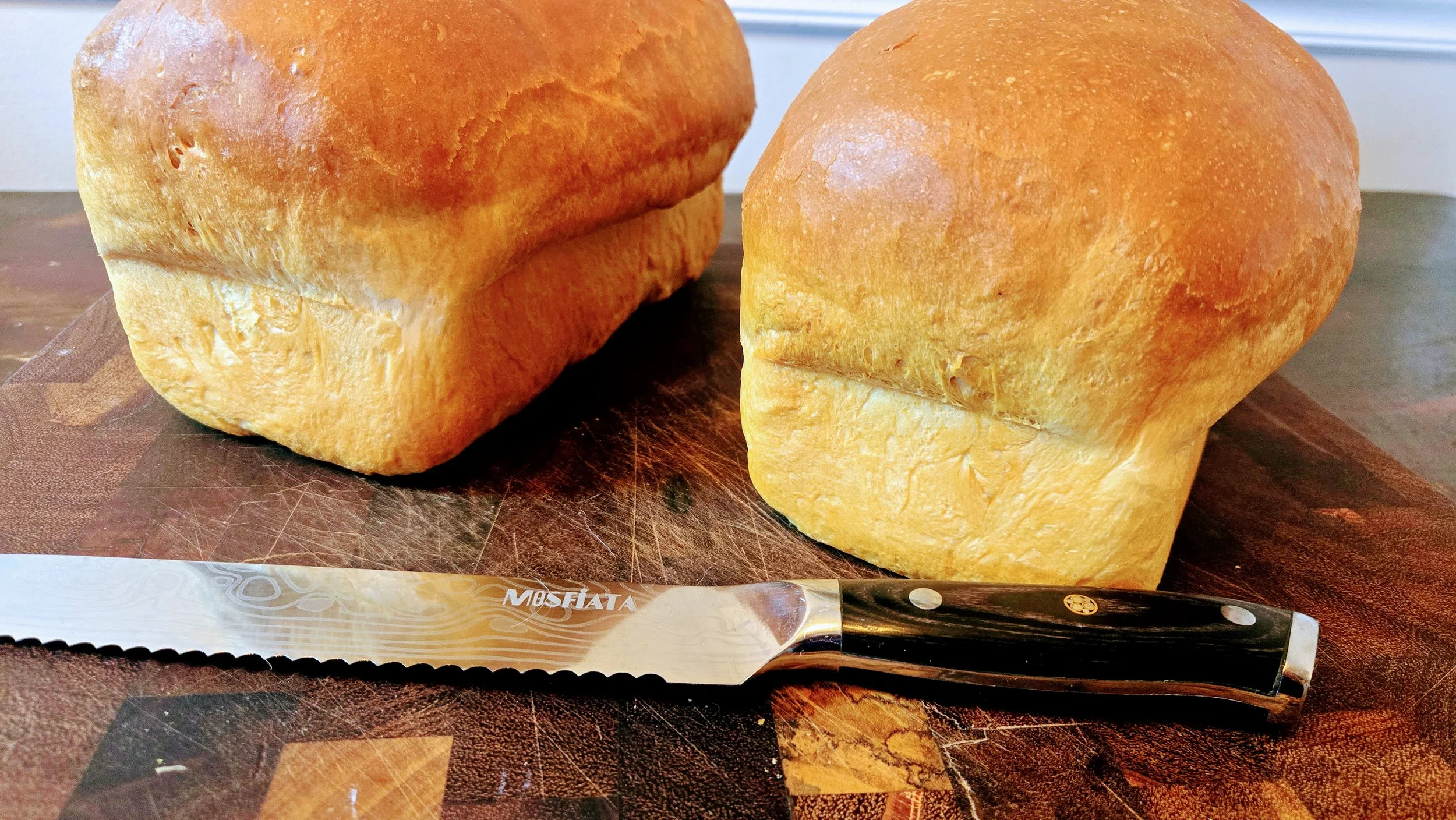
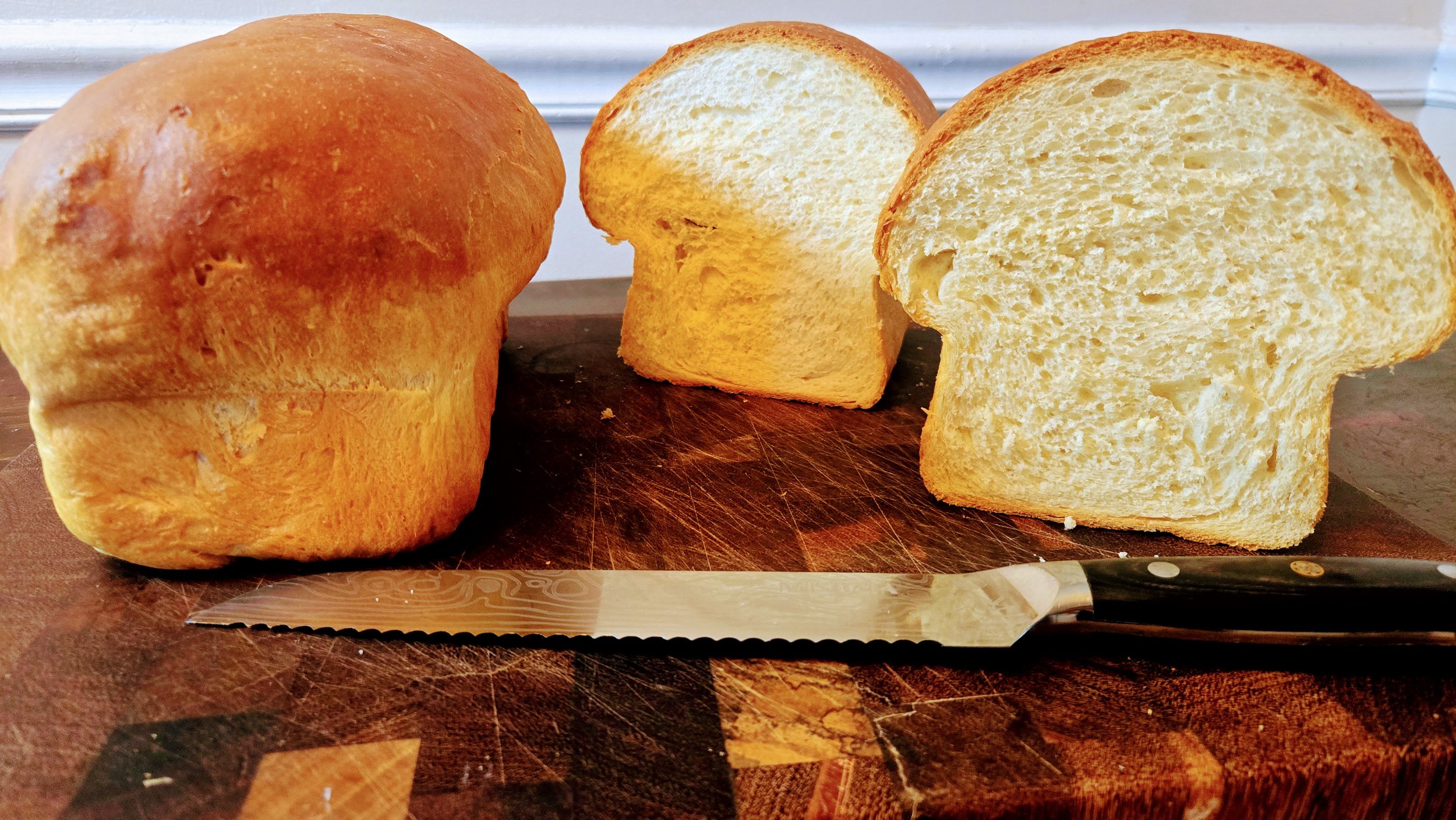
One dough. Countless possibilities. Built to become the bread your kitchen needs.
A soft, enriched yeast dough made with Fairlife 2% milk, honey, butter, eggs, and the Tangzhong method for a tender crumb that stays soft longer.
Make sandwich bread today, then use the same foundation for dinner rolls, burger buns, hot dog buns, hoagie rolls, sliders, and more.
Every kitchen needs a bread recipe it can depend on.
There are recipes you make once.
Then there are recipes that become part of how you cook.
Kirby Kitchen Master Yeast Dough was developed to be the second kind.
Instead of keeping separate dough recipes for sandwich bread, dinner rolls, burger buns, hot dog buns, and hoagies, this recipe creates one dependable foundation that can become whatever bread the meal calls for.
The Tangzhong method helps create a soft, moisture-rich crumb, while Fairlife 2% milk, eggs, butter, and honey turn a basic yeast dough into something rich enough to stand on its own but versatile enough to use throughout the kitchen.
Master the dough.
Then change the shape.
Recipe at a Glance
Yield: 4 sandwich loaves or equivalent amount of shaped bread
Total Flour: 2,000 g
Prep Time: About 30–40 minutes
First Rise: Approximately 60–90 minutes
Second Rise: Approximately 45–75 minutes
Bake Time: Varies by shape and bakeware
Finished Loaf Temperature: 190–195°F
Ingredients
🥛 Tangzhong
80 g bread flour
200 g Fairlife 2% Ultra-Filtered Milk
200 g water
🍞 Master Dough
1,920 g bread flour
500 g Fairlife 2% Ultra-Filtered Milk, room temperature
500 g warm water, approximately 105–110°F
32 g active dry yeast
80 g honey
4 large eggs, room temperature
40 g fine sea salt
160 g unsalted butter, softened
All of the cooled Tangzhong
Instructions
1. Prepare the Tangzhong
Add the 80 g bread flour, 200 g Fairlife 2% milk, and 200 g water to a saucepan.
Whisk until completely smooth.
Place over medium-low heat and cook while stirring constantly.
As the mixture heats, it will gradually thicken.
Continue cooking until it reaches a thick, pudding-like consistency and a spatula dragged across the bottom leaves a visible path.
Remove from the heat.
Transfer to a clean bowl and allow it to cool completely before making the dough.
Kirby Rule: Tangzhong allows part of the flour to absorb and retain more moisture, helping create bread with a softer crumb that stays fresh longer.
2. Activate the Yeast
Combine:
500 g warm water
32 g active dry yeast
Approximately 1 tablespoon of the honey (17g)
Stir gently.
Let stand for 5–10 minutes, until the yeast becomes visibly foamy.
If the yeast doesn't show signs of activity, don't continue with the entire batch. Check the water temperature and yeast before sacrificing 2 kilograms of flour.
3. Build the Dough
Add the activated yeast mixture to your mixing bowl.
Add:
Remaining honey (63g)
Fairlife 2% milk
Eggs
Cooled Tangzhong
Mix briefly to combine.
Add:
1,920 g bread flour
40 g fine sea salt
Do not add the butter yet.
Choose your mixing method below.
🌀 Option 1: Spiral Mixer
Begin mixing on low speed until all of the flour has hydrated and a cohesive dough forms.
Continue mixing until the dough begins developing noticeable strength and elasticity.
Once the dough has begun developing its gluten structure, gradually add the 160 g softened butter in several additions.
Allow each addition to incorporate before adding more.
Increase to medium speed and continue mixing until the dough becomes smooth, elastic, and pulls cleanly from the bowl.
Check for proper gluten development using the windowpane test.
Kirby Rule: Develop the dough before adding the butter. Fat makes bread tender, but adding it too early can interfere with gluten development.
⚙️ Option 2: Standard Stand Mixer
Because this is a large four-loaf batch, do not attempt the full recipe in a mixer that isn't rated for this quantity of dough.
Divide the recipe into smaller batches if necessary.
Fit the mixer with a dough hook.
Mix on low speed until the ingredients form a cohesive dough.
Increase to medium-low and knead for approximately 5–7 minutes to begin developing the gluten.
Gradually add the softened butter.
Continue kneading until the butter is completely incorporated and the dough becomes smooth and elastic.
Depending on the mixer and batch size, this may take another 5–8 minutes.
Kirby Kitchen Tip: A standard household mixer shouldn't have to fight the dough. Divide the batch rather than overheating or damaging the mixer.
✋ Option 3: By Hand
For easier handling, divide the ingredients into 2 smaller batches.
Mix the flour, liquids, eggs, honey, Tangzhong, yeast mixture, and salt until a shaggy dough forms.
Turn onto a clean work surface.
Knead until the dough begins developing strength.
Gradually work in the softened butter.
The dough may become slippery and messy at first.
Keep working it.
Continue kneading until the dough becomes smooth, elastic, and passes the windowpane test.
The Windowpane Test
Regardless of the mixing method, the finished dough should reach the same point.
Pinch off a small piece.
Gently stretch it between your fingers.
The dough should stretch into a thin, translucent membrane before tearing.
If it tears immediately, continue kneading and test again.
4. First Rise
Shape the dough into a large ball and place it in a lightly greased container with enough room to expand.
Cover.
Allow the dough to rise in a warm area for approximately 60–90 minutes, or until roughly doubled in size.
Enriched dough can move more slowly than lean bread dough.
Use the appearance of the dough rather than the clock as the final judge.
Kirby Rule: The clock tells you when to check the dough. The dough tells you when it's ready.
5. Divide the Dough
Turn the risen dough onto a clean work surface.
Gently deflate the largest air pockets.
Weigh the complete batch.
Divide the total weight by 4 to create four equal sandwich loaves.
Using a scale instead of guessing helps all four loaves proof and bake at approximately the same rate.
6. Shape the Sandwich Loaves
Working with one portion at a time, gently press the dough into a rectangle approximately the width of your loaf pan.
Starting from one short end, roll tightly into a log.
Pinch the seam closed.
Tuck the ends underneath and place the loaf seam-side down in a lightly greased loaf pan.
Repeat with the remaining dough.
7. Second Rise
Cover the pans loosely with a clean kitchen towel or lightly greased plastic wrap.
Allow the loaves to rise for approximately 45–75 minutes.
For an open-top sandwich loaf, look for the dough to become noticeably puffy and rise to approximately 1 inch above the rim of the pan.
Don't force the bake because the timer has expired.
8. Choose Your Pan & Oven Method
🥈 Stainless-Steel Loaf Pans
Conventional Bake
Temperature: 375°F
Rack Position: Lower third
Place a pizza steel or heavy baking sheet on the lower rack while the oven preheats.
Place the stainless-steel loaf pans directly onto the fully preheated steel or baking sheet.
This provides additional heat underneath the pans and helps prevent pale or underbaked bottoms.
Convection Bake
Temperature: 350°F
Rack Position: Lower third
Use the same preheated pizza-steel or baking-sheet method when available.
Begin checking approximately 5–10 minutes earlier than conventional bake.
Kirby Rule: Stainless steel can produce a beautifully baked loaf, but don't judge it by the top alone. Make sure the bottom has finished too.
🍞 Standard Metal Loaf Pans
Conventional Bake
Temperature: 350°F
Rack Position: Center
Convection Bake
Temperature: 325°F
Rack Position: Center
Begin checking approximately 5–10 minutes earlier with convection.
Dark nonstick pans may brown the sides and bottom faster than lighter aluminum pans.
🥛 Glass Loaf Pans
Conventional Bake
Temperature: 325°F
Rack Position: Center
Convection Bake
Temperature: 300°F
Rack Position: Center
Conventional baking is preferred for glass.
Never place a cold or room-temperature glass loaf pan directly onto a preheated pizza steel, baking stone, or extremely hot baking sheet.
Avoid sudden temperature changes that could cause thermal shock.
🔥 Smoker Method
Use stainless-steel or standard metal loaf pans.
Smoker Temperature: 350°F
Pecan, apple, and cherry wood all work well.
Keep the smoke light.
This is soft sandwich bread, so the smoke should provide a subtle background flavor rather than turning the loaf into barbecue.
Smokers vary considerably in airflow and heat distribution, so use internal bread temperature rather than the clock alone.
9. Bake
Bake until the loaves are golden, fully set, and reach approximately 190–195°F internally.
Approximate Starting Ranges
Stainless Steel: 30–40 minutes
Standard Metal: 30–40 minutes
Glass: 35–45 minutes
Smoker: 30–45 minutes
Begin checking toward the low end of the range.
If the tops become too dark before the centers are finished, loosely tent with aluminum foil.
How to Tell When It's Done
The loaves should:
Be golden across the top
Have risen into a rounded crown
Pull slightly away from the sides of the pans
Feel firm underneath
Sound somewhat hollow when tapped
Reach 190–195°F internally
Insert the thermometer into the center of the loaf.
Kirby Rule: Time and temperature get you close. Internal temperature tells you when the bread is actually finished.
10. Optional Gloss Finish
For a softer, glossy crust, combine:
2 Tbsp melted butter or ghee
2 tsp honey
Brush lightly over the hot loaves immediately after baking.
The butter softens the crust while the honey adds a subtle sweetness and shine.
11. Cool
Allow metal-pan loaves to rest for approximately 5–10 minutes.
Allow glass-pan loaves to rest for approximately 10 minutes.
Remove the bread from the pans and transfer to wire racks.
Cool for at least 1 hour before slicing.
Kirby Rule: Soft sandwich bread needs time for the crumb to set. Cutting it while hot can compress the loaf and create a gummy interior.
Turn the Master Dough Into Something Else
The four-loaf batch doesn't have to become four sandwich loaves.
Once the dough completes its first rise, portions can be shaped into different breads.
🍽️ Pull-Apart Dinner Rolls
Portion approximately 60–70 g per roll.
Shape into tight balls and arrange close together in a buttered baking dish.
Allow to rise until touching.
Bake until golden and approximately 190°F internally.
Brush with melted butter or ghee.
🍔 Pitmaster Burger Buns
Portion approximately 100–110 g per bun.
Shape into tight balls and flatten gently into approximately 4-inch discs.
Proof until puffy.
Brush with egg wash and add sesame seeds if desired.
Bake until golden and approximately 190°F internally.
🌭 Frank-Loader Hot Dog Buns
Portion approximately 80–90 g each.
Flatten into rectangles.
Roll tightly into cylinders and pinch the seams closed.
Proof until puffy and beginning to touch.
Brush with egg wash and bake until golden.
🥖 Pit-Style Hoagie Rolls
Portion approximately 140–150 g each.
Shape into elongated rolls with good surface tension.
Proof until puffy.
Score before baking.
Bake until deeply golden and approximately 195°F internally.
Performance Notes
🥛 Why Tangzhong?
Tangzhong cooks a small portion of the flour with liquid before the dough is mixed.
This allows that flour to hold considerably more moisture.
The result is a softer crumb and bread that stays tender longer after baking.
🥛 Why Fairlife 2%?
Fairlife 2% provides the dairy component while bringing additional protein and enough richness for a soft sandwich loaf.
Whole milk can be substituted if needed.
🍯 Honey Instead of Sugar
Honey provides sweetness while contributing additional moisture and a subtle flavor that works well across sandwich bread, dinner rolls, and buns.
This isn't intended to be a sweet bread.
The honey is there to support the dough, not dominate it.
🧈 Butter Goes Last
Butter contributes tenderness and richness.
But gluten gets a head start first.
Developing some structure before incorporating the fat gives the dough a stronger foundation while still producing a soft finished crumb.
🌀 Built for a Large Batch
The full recipe produces enough dough for four sandwich loaves, making it well suited to larger-capacity mixers.
Smaller mixers and hand kneading still work.
Simply divide the recipe into manageable batches.
Storage
Room Temperature
Store completely cooled bread in an airtight container or bread bag for up to 4 days.
Refrigerator
Refrigeration can dry bread faster, so room-temperature storage is preferred for bread you'll eat within a few days.
Freezer
Freeze completely cooled loaves for up to 3 months.
For convenience, slice the bread before freezing and remove individual slices as needed.
Kitchen Wisdom
“Master one good dough and you don't need five bread recipes. You need five ways to shape it.”